Progressive vs Bifocal Lenses: Which Is Better?
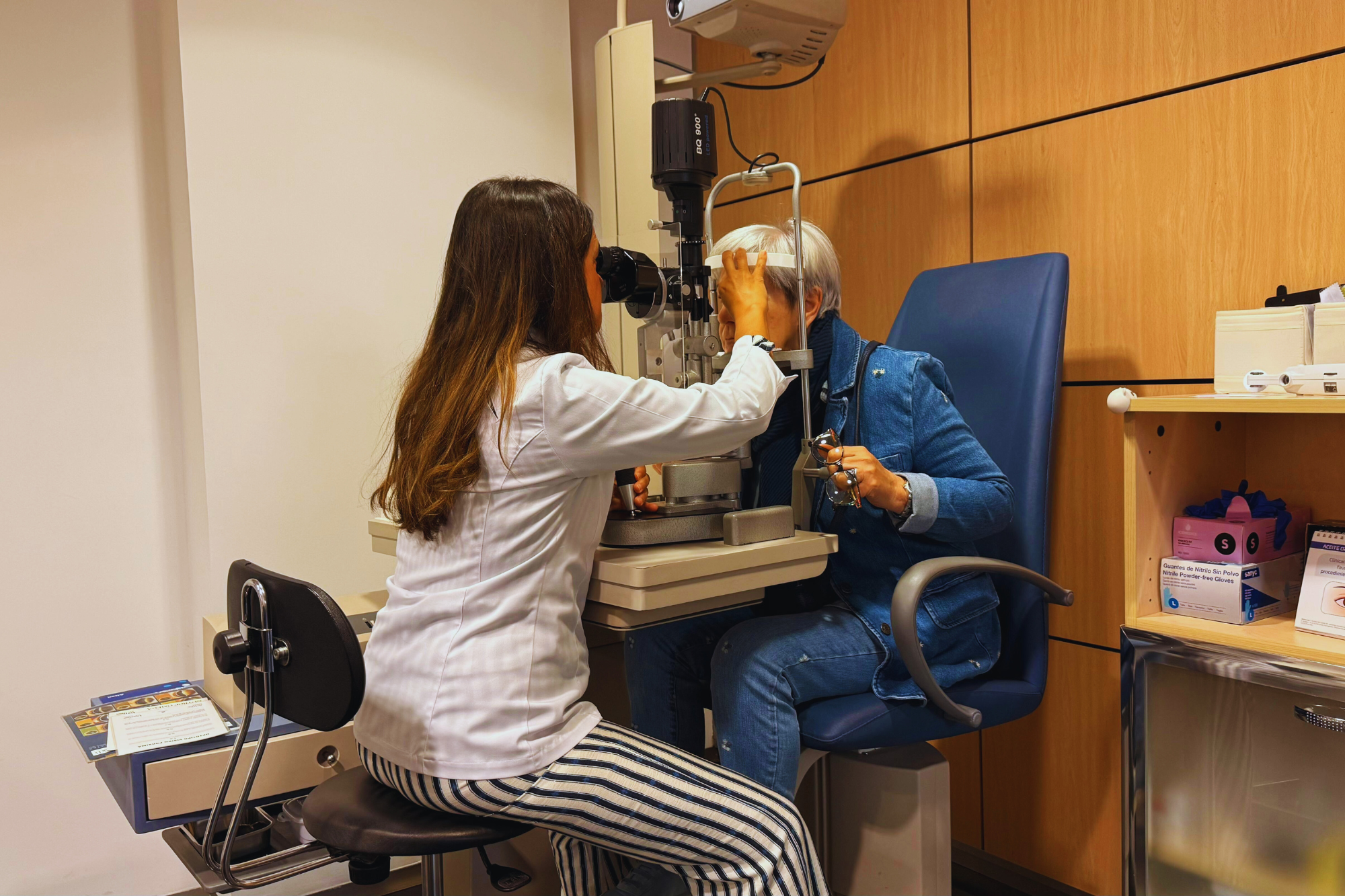
As we age, our eyes gradually lose the ability to focus on nearby objects — a condition called presbyopia. This is when multifocal lenses like bifocals or progressive lenses become necessary.
But which one is better?
Let’s understand both options in detail.
What Are Bifocal Lenses?
Bifocal lenses contain two distinct optical powers within one lens. The upper portion corrects distance vision, while the lower segment corrects near vision. A visible line separates these two zones.
Pros of Bifocal Lenses:
More affordable compared to progressive lenses
Clear distinction between near and distance vision
Easy adaptation for some users
Cons of Bifocal Lenses:
Visible dividing line
Sudden image jump when shifting focus
Limited intermediate vision (like computer distance)
Bifocals are often suitable for individuals who primarily need reading and distance correction.
What Are Progressive Lenses?
Progressive lenses are advanced multifocal lenses that provide seamless transition between distance, intermediate, and near vision — without any visible lines.
Pros of Progressive Lenses:
Natural and smooth vision transition
No visible line (better aesthetics)
Includes intermediate range (ideal for computer use)
Modern and comfortable
Cons of Progressive Lenses:
Slight adjustment period
Higher cost compared to bifocals
Progressive lenses are ideal for professionals, frequent computer users, and those who prefer a modern, line-free appearance.
Key Differences at a Glance
| Feature | Bifocal | Progressive |
|---|---|---|
| Visible Line | Yes | No |
| Intermediate Vision | No | Yes |
| Cost | Lower | Higher |
| Appearance | Traditional | Modern |
| Adaptation | Easy for some | May take time |
Which One Should You Choose?
Your choice depends on:
Budget
Lifestyle
Daily activities
Comfort preference
Aesthetic preference
If you want a cost-effective solution and don’t mind a visible line, bifocals may work well.
If you prefer smooth vision, modern appearance, and all-distance clarity, progressive lenses are the better option.
Adjustment Period: What to Expect?
With progressive lenses, slight dizziness or distortion may occur during the first few days. However, most users adapt within 1–2 weeks with regular use.
Professional Consultation Matters
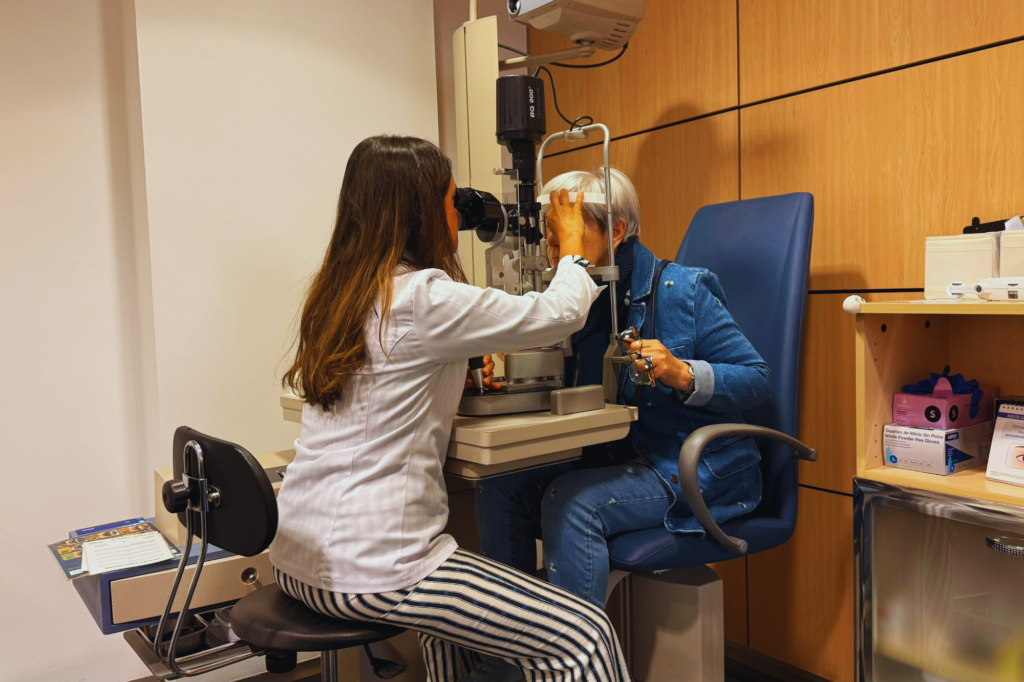
Choosing the right multifocal lens requires accurate eye testing and proper measurements. Incorrect fitting can affect comfort and clarity.
At EYE LOOK OPTICS, our trained opticians guide you through detailed eye testing, frame selection, and precise lens fitting to ensure maximum comfort and performance.
Final Thoughts
Both bifocal and progressive lenses serve important purposes. The right choice depends on your visual needs, daily routine, and comfort preferences.
Visit EYE LOOK OPTICS today for expert advice and personalized lens solutions designed for clear, comfortable, and confident vision. 👓